Before You Click 'Buy Now': The Flash Deal Tricks That Are Quietly Draining Your Wallet

Photo: Sönke Biehl from Deutschland, CC BY-SA 2.0, via Wikimedia Commons
There's a particular kind of buyer's remorse that hits different. It's not the regret of splurging on something you didn't need — it's the slow-burn realization that the "70% off" deal you jumped on wasn't actually 70% off anything real. You got played, and the clock was ticking the whole time.
Flash sales are genuinely great when they're legit. But the format — urgent, fast-moving, emotionally charged — also happens to be a perfect cover for some pretty shady retail tactics. We dug into the most common tricks out there so you can walk into your next limited-time deal with eyes wide open.
The Phantom Price Problem
Let's start with the big one: the "original price" that was never really a price anyone paid.
Federal Trade Commission guidelines technically require that a "compare at" or "regular price" reflect what an item was actually sold at for a meaningful period of time. In practice, enforcement is spotty, and plenty of retailers — especially online-only brands and marketplace sellers — list inflated "retail values" that exist mainly on paper.
A $200 blender marked down to $59 looks incredible. But if that blender has never sold for $200 anywhere — if the manufacturer's suggested retail price is really just a number someone typed in — then your "savings" are fictional. Consumer advocacy groups have flagged this practice repeatedly, and class-action lawsuits have been filed against major retailers over it. The trick? Before you celebrate the discount, search the item on Google Shopping and check its actual price history using a free tool like CamelCamelCamel (for Amazon) or Honey's price tracker. If the "original" price only showed up right before the sale started, that's a red flag.
Checkout Sticker Shock: The Shipping Fee Ambush
You've seen this one. The product page says $14.99. You add it to your cart, fill in your address, and suddenly the order total is $24.98. That $9.99 in shipping wasn't mentioned anywhere near the deal listing.
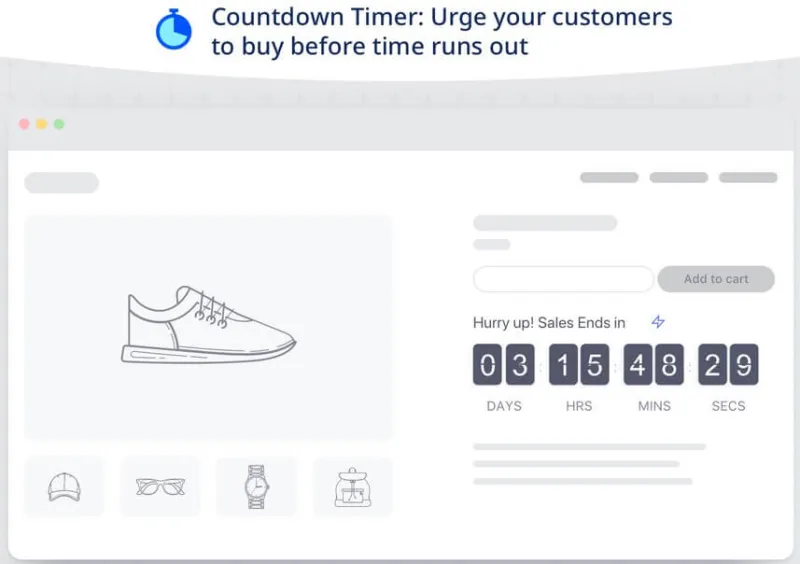
This is especially common on deal aggregator sites and marketplace platforms where individual sellers control their own shipping policies. The flash sale price gets promoted prominently; the shipping cost gets disclosed only at the final step — right when you're already committed and the countdown timer is stressing you out.
The fix is simple but easy to forget in the heat of the moment: always click through to the full checkout before you decide. Treat the listed price as a starting bid, not a final number, until you've seen the complete order summary.
Membership Walls and the "Free Trial" Trap
Some of the juiciest flash deals come with a catch buried in the fine print: you have to be a member to access them. Sometimes that membership is free. Sometimes it comes with a 30-day trial that auto-renews into a $12.99/month subscription you forgot about by February.
We've seen this pattern across streaming services, subscription box brands, and even some retail loyalty programs. The deal is real — but it's a loss leader designed to get you into a billing relationship. If a flash deal requires you to create an account or start a trial, scroll to the bottom of the page and find the cancellation terms before you sign up. Set a phone reminder to cancel if you don't want the subscription. Seriously, do it right then.
Expired Coupons That Still Show Up at the Top of Google
Here's a frustrating one that wastes your time more than your money — though sometimes it does both. You find a flash deal, then you do the responsible thing and Google "[store name] coupon code" to stack some extra savings. You find a code. You apply it. It doesn't work. You try three more. None of them work.
Coupon aggregator sites like RetailMeNot and others make money when you click — whether the code works or not. Expired codes stay live on these pages for months, sometimes years. And some retailers have been caught generating fake coupon codes specifically to make you feel like you're getting a deal within a deal, even when the code does nothing.
Your best bet: check the retailer's own site for promo codes, look for browser extensions like Capital One Shopping or Honey that auto-test codes at checkout, and be skeptical of any code that requires you to click through a third-party site to "reveal" it.
The Return Policy Bait-and-Switch
Flash sale items frequently come with different return policies than regular purchases — and that detail is almost never in the headline. "Final sale," "store credit only," and "exchanges only within 14 days" are all phrases that might be waiting for you in the terms and conditions of that killer deal.
This matters most for clothing, electronics, and anything you're buying as a gift. If you can't return it, a bad purchase at 60% off is still a bad purchase. Always locate the return policy specific to the sale — not just the store's general policy — before you commit.
Your Pre-Purchase Checklist
Keep this handy next time a flash deal has your finger hovering over the buy button:
- Verify the "original" price using a price tracker or Google Shopping before trusting the discount percentage.
- Complete the checkout flow before finalizing — confirm the actual total including shipping and taxes.
- Read the membership terms if access requires signing up for anything. Set a cancellation reminder immediately.
- Use auto-tested coupon tools instead of random code sites.
- Find the return policy for this specific promotion — not just the store's standard policy.
- Check seller reviews on marketplace platforms, especially for unfamiliar third-party sellers.
Flash deals can absolutely be worth it — we built this whole site around finding the real ones. But the best deal-hunters aren't just fast. They're sharp. Take ten seconds to run through that checklist, and you'll save yourself a lot more than whatever the sale promised.